Theme: The Niger Delta on the Road to Recovery: Shifting Power and Building Solidarity for Ecological Justice
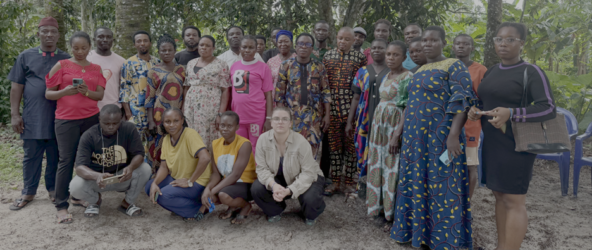
The Second People’s Environmental Assembly, also known as the Eco Festival, was convened by We the People in collaboration with the People’s Health Hearing and other partners on 13 October 2026 in Port Harcourt, Rivers State. The Assembly brought together representatives of frontline communities, traditional rulers, environmental defenders, civil society organizations, academics, health professionals, and solidarity movements to examine the continuing ecological crisis in the Niger Delta and develop collective strategies for recovery and justice.
Following extensive deliberations, the Assembly observed that more than seven decades of reckless oil and gas extraction have left the Niger Delta with devastated ecosystems, contaminated water sources, destroyed livelihoods and serious public health challenges. Evidence from the United Nations Environment Programme’s assessment of Ogoniland published in 2011, the Bayelsa State Oil and Environmental Commission report published in 2024, and recent health investigations confirms the devastating consequences of hydrocarbon pollution. These impacts are further compounded by climate change, including recurrent flooding, coastal erosion, rising sea levels, food insecurity and displacement.
The Assembly expressed grave concern that multinational oil companies, particularly Shell, continue to evade responsibility for historical environmental damage through asset divestment, corporate restructuring and deliberate campaigns of disinformation that blame affected communities for pollution. It condemned the complicity of government institutions and regulatory agencies whose failures have enabled continued environmental destruction and corporate impunity.
The Assembly received disturbing testimonies from communities across the region: from the destruction of agricultural livelihoods and declining life expectancy, to findings of hydrocarbon contamination in the blood of 80 women tested in Otuabagi, Bayelsa State. Delegates reported oil company complicity in pipeline sabotage, persistent gas leaks in Bille, a deadly gas explosion on 3 July 2026, rising cases of cancer and persistent floods. The Assembly also expressed concern over widespread deforestation in Cross River State, driven by illegal logging, foreign interests and weak regulatory enforcement.
The Assembly affirmed that communities are not helpless victims awaiting charity or temporary relief. They possess the knowledge, experience and capacity to lead ecological recovery. Contributions from delegates emphasized community leadership, women’s participation, political accountability, grassroots solidarity and the need to confront institutional capture and corporate disinformation.
The Assembly also recognized outstanding environmental defenders, including King Godwin Bebe Okpabi for his legal campaign against Shell, Odey Oyama for his work against deforestation in Cross River state, Martha Agbani for her efforts in leading mangrove restoration, Irikefe V. Dafe for his outstanding effort in protecting river Ethiope, Alagoa Morris for his groundbreaking work in documenting hydrocarbon pollution, and Dr. Bieye Briggs for his findings on health impacts of hydrocarbon pollution.
The Second People’s Environmental Assembly also provided an opportunity for the formal launch of the Network of Resistance Against Shell, a growing international solidarity movement connecting frontline communities and environmental justice organizations resisting Shell’s destructive extractive activities. The Network builds on the shared struggles of communities in Nigeria’s Niger Delta and South Africa’s Wild Coast, where organized community resistance has secured significant legal victories against Shell’s offshore exploration plans. It seeks to strengthen solidarity, facilitate knowledge sharing, coordinate advocacy and legal action, and build collective resistance against corporate impunity. Several participating communities and organizations formally joined the Network.
Resolutions and Demands
Following its deliberations, the Assembly adopted the following resolutions:
- Declaration of an environmental emergency: The Federal Government should immediately declare an environmental emergency in critically polluted communities, particularly Bille, and provide urgent medical assistance, humanitarian support, environmental assessment and remediation.
- Review of the Petroleum Industry Act: The National Assembly should urgently review and amend the Petroleum Industry Act, particularly Section 257(2) and related provisions that impose liability on host communities for damage to petroleum facilities without adequate independent investigation and scientific evidence.
- Accountability for oil company divestment: The Federal Government should prohibit oil companies from divesting their assets without comprehensive independent assessments of historical ecological and health damage, adequate compensation and independently managed financial provisions for complete environmental restoration.
- Emergency public health interventions: Federal and state governments should undertake comprehensive toxicological screening, health surveillance and accessible medical treatment in oil-producing communities, particularly those experiencing hydrocarbon contamination, reproductive health challenges, respiratory illnesses and premature deaths.
- Protection of all impacted communities: Environmental remediation, compensation and host community development frameworks should extend beyond officially designated host communities to include communities suffering the same environmental and health consequences of oil extraction.
- Recognition of the rights of nature: State Houses of Assembly across the Niger Delta should initiate legislation recognizing the enforceable rights of rivers, forests, wetlands and other ecosystems, drawing lessons from ongoing advocacy for the legal protection of River Ethiope.
- An end to corporate disinformation and institutional complicity: Oil companies must cease campaigns that stigmatize communities as perpetrators of environmental damage without credible evidence. Government authorities should independently investigate allegations of sabotage, regulatory compromise and corporate misconduct, and hold responsible actors accountable.
Collective Commitments
The Assembly further resolved to strengthen and expand the Network of Resistance Against Shell, connecting frontline communities in the Niger Delta with South Africa’s Wild Coast and other communities confronting fossil fuel extraction across Africa and the Global South.
It committed to developing community-led monitoring and early warning systems, including digital platforms for documenting oil spills, gas leaks, health emergencies and other ecological threats. The Assembly also resolved to strengthen community ecological leadership, promote women-led grassroots mobilization, and pursue coordinated litigation, peaceful civic resistance and public advocacy against corporate impunity and unlawful divestment.
The Assembly reaffirmed that the recovery of the Niger Delta cannot be achieved through corporate promises, temporary palliatives or policies that exclude affected communities. It requires comprehensive ecological restoration, enforceable corporate accountability, legislative reform, adequate public investment and the leadership of the people whose lands, waters and livelihoods have been destroyed.
It further affirmed that the people of the Niger Delta must not be made to bear the cost of an ecological disaster they did not create. Those who profited from decades of extraction must be made to pay for the damage, while affected communities must lead the process of recovery.
Issued in Port Harcourt, Rivers State, Nigeria, on 13 October 2026.
For and on behalf of participating frontline communities, civil society organizations, and solidarity partners.