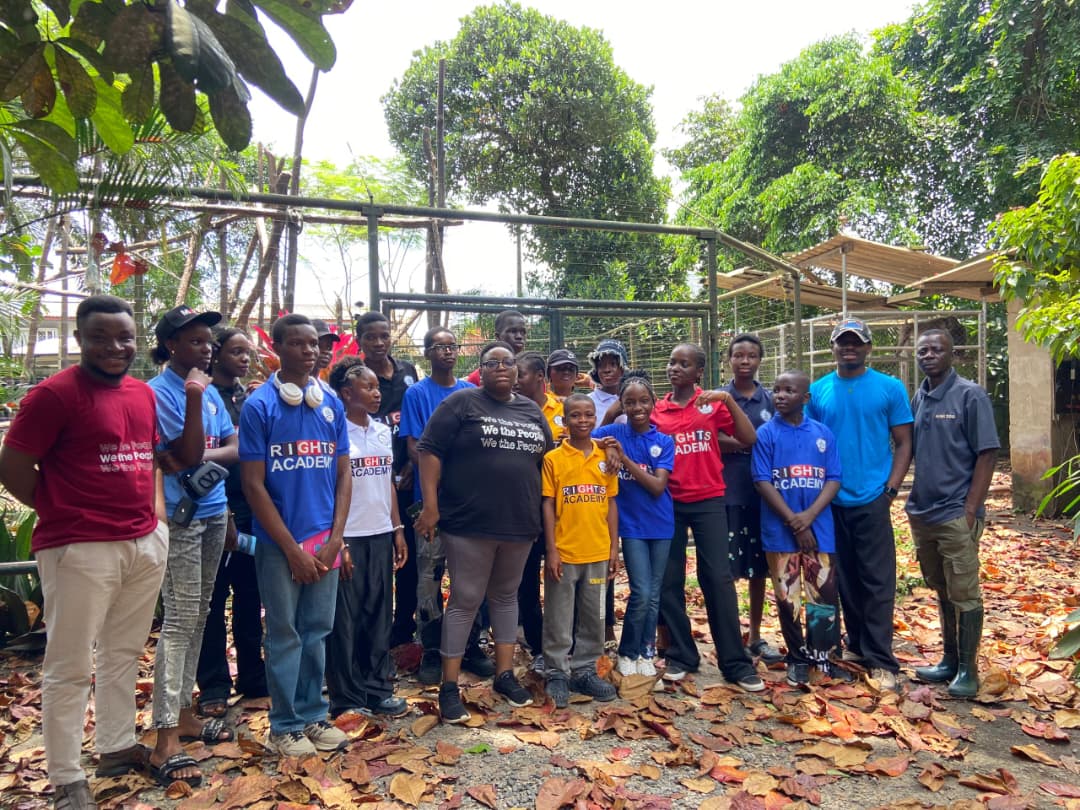
The Rights Academy successfully held the 3rd Cohort of the Junior Rights Academy from 31st August to 3rd September 2026. The program brought together adolescents between the ages of 10 and 17 for an interactive learning experience focused on human and child rights, personal values, environmental awareness, and climate change. The program was designed to help the children better understand their rights, develop confidence and respect for others, and become more conscious of their role in protecting the environment.
The training was delivered through simple and engaging methods such as discussions, storytelling, games, role-play, drawing, group activities, short films, and quizzes. These methods allowed the participants to express themselves freely, ask questions, and learn from one another.
The first sessions introduced the participants to child rights, helping them understand what their rights are and why it is important to respect the rights of others. They also discussed their responsibilities as children and members of their families, schools, and communities.
The participants also had sessions on self-identity and awareness, where they were encouraged to understand who they are, appreciate themselves, and recognize their strengths and abilities. This was followed by discussions on values clarification, including values such as respect, honesty, empathy, and fairness.
Another important part of the training focused on the environment and climate change. The children learned about how human activities affect the environment and the importance of taking simple actions to protect the places where they live.
The participants had a practical session on waste management and recycling. They were taught how to properly sort waste and understand the difference between different types of waste. They also learned how materials such as paper and plastic, which are often thrown away, can be reused creatively. As part of the practical activity, the children recycled paper and plastic waste to create different forms of art. This made the environmental lessons practical and enjoyable while showing the children that waste can be given a new purpose.
On the final day, the participants embarked on a field trip to Drill Ranch, where they were taken on a tour of the facilities. The children had the opportunity to observe different species of monkeys, gorillas, and birds being conserved at the facility. The visit gave them a practical understanding of wildlife conservation and helped them appreciate the importance of protecting animals and their natural habitats.
The group also visited We the People’s mangrove restoration site in Idundu. During the visit, the children were introduced to the mangrove ecosystem and learned about its importance to marine life, people, and the wider community. They learned how mangroves provide important habitats for aquatic life, support communities, and contribute to the protection of the environment.
The field trip provided an opportunity for the children to connect what they had learned in the classroom with real environmental conservation efforts taking place within their community.
After the completion of the training and field activities, all participants were awarded certificates in recognition of their participation in the Junior Rights Academy Cohort 3.
Speaking during the certification session, the Prefect of the Rights Academy, Jude Edu, charged the participants to become agents of change wherever they find themselves. He encouraged them to take what they had learned beyond the Academy and share it with those around them. “As you go back home, tell your parents, your siblings, and your schoolmates about what you have learned throughout this session,” he said.
He further encouraged the participants to promote environmentally friendly actions in their homes, schools, and communities, reminding them that small actions can contribute to creating a cleaner and healthier environment.
The certification marked the end of the four-day program and celebrated the participant’s commitment to learning about their rights, values, and the environment.