On Tuesday, October 13, 2026, We the People, in collaboration with the People’s Health Hearing, held the second edition of the People’s Environmental Assembly (PEA) in Port Harcourt, Rivers State, under the theme “The Niger Delta on the Road to Recovery: Shifting Power and Building Solidarity for Ecological Justice.” The People’s Environmental Assembly is a platform that brings together frontline communities, environmental defenders, civil society organizations and solidarity partners to confront environmental injustice, share experiences and develop collective strategies for ecological recovery. This year’s edition, also dubbed the ‘Eco Festival’ focused on amplifying grassroots initiatives, strengthening regional and international solidarity, and promoting the leadership of communities despite ecological destruction.
The Assembly was convened against the backdrop of over seven decades of oil and gas extraction that has left the Niger Delta with polluted rivers, destroyed farmlands, eroded livelihoods and serious health issues, challenging the idea that affected communities are helpless victims waiting for external solutions. It aimed to push the counter narrative that the people of the Niger Delta have the knowledge, capacity and determination to lead their own recovery and accountability.

The event commenced with goodwill messages from partners and solidarity organizations, followed by testimonies from frontline communities across the Niger Delta. Representatives shared disturbing accounts of the impacts of oil pollution, gas flaring, deforestation and corporate negligence on their health, environment and livelihoods. Dr. Bieye Briggs, a public health practitioner, presented findings on hydrocarbon contamination in the blood of women in Otuabagi, Bayelsa State, while Warder Benjamin, a representative from Ikarama, Bayelsa State, raised concerns about increasing cancer cases and the continued blaming of communities for oil spills. Particularly disturbing was the testimony from Bile community in Degema LGA, where persistent gas leaks, a deadly explosion and inadequate healthcare facilities have continued to threaten lives. These testimonies reinforced the urgent need for environmental accountability, public health interventions and ecological restoration.
A major highlight of the Assembly was the formation of the Network of Resistance Against Shell, bringing together frontline communities and environmental justice movements across Africa. The network builds on solidarity between Niger Delta communities and South Africa’s Wild Coast, where Shell’s plans for offshore oil and gas exploration have faced strong resistance from indigenous communities. The struggle led by the Amadiba Crisis Committee and supported by other partners including We the People, and the People’s Health Collective, which secured significant court victories against Shell’s offshore exploration plans, provided an important example of what organized community resistance can achieve. The network seeks to connect these struggles, strengthen collective advocacy and ensure that communities confronting the same corporations do not continue to fight in isolation.
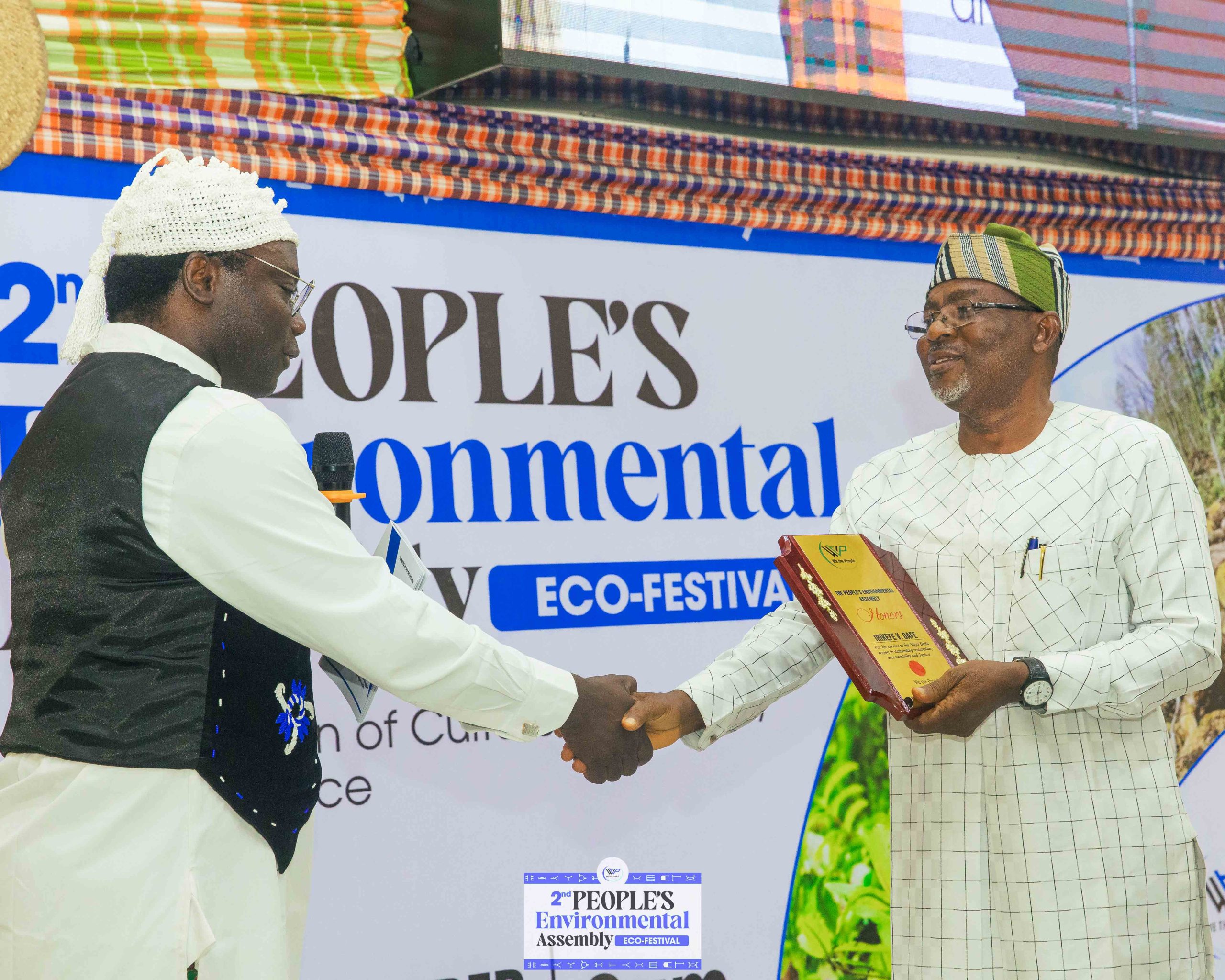
The Assembly also recognized six outstanding grassroots environmental defenders for their contributions to ecological justice. Irikefe V. Dafe was celebrated for his decades of advocacy for River Ethiope and the Rights of Nature. Alagoa Morris was recognized for his persistent documentation of oil spills and exposure of corporate environmental violations. King Godwin Bebe Okpabi, traditional ruler of Ogale, was honoured for leading his community’s legal struggle against Shell in the United Kingdom. Odey Oyama was celebrated for his courageous defence of Cross River’s rainforests against illegal logging and destructive development. Martha Agbani was recognized for mobilizing women to restore oil-damaged mangrove ecosystems, while Dr. Bieye Briggs was honoured for his investigations into the public health impacts of hydrocarbon pollution and his campaign against black soot.
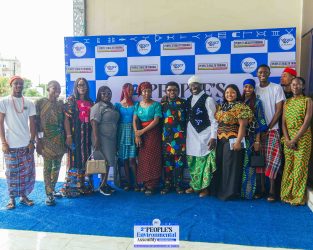
Beyond the discussions, the Assembly embraced the rich cultural identities of the Niger Delta and other participating communities. Through traditional attire, cultural expressions and the celebration of indigenous heritage, the Eco Festival demonstrated that environmental justice is also about protecting the cultures, identities and ways of life that are closely connected to the natural environment.
The Assembly issued a communiqué calling for urgent public health interventions in polluted communities, reforms to the Petroleum Industry Act, stronger corporate accountability, and an end to oil company divestment without adequate provision for environmental remediation. Participants also committed to expanding the Network of Resistance and strengthening community-led monitoring and advocacy.