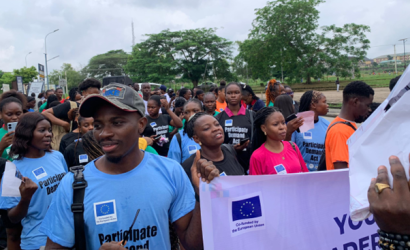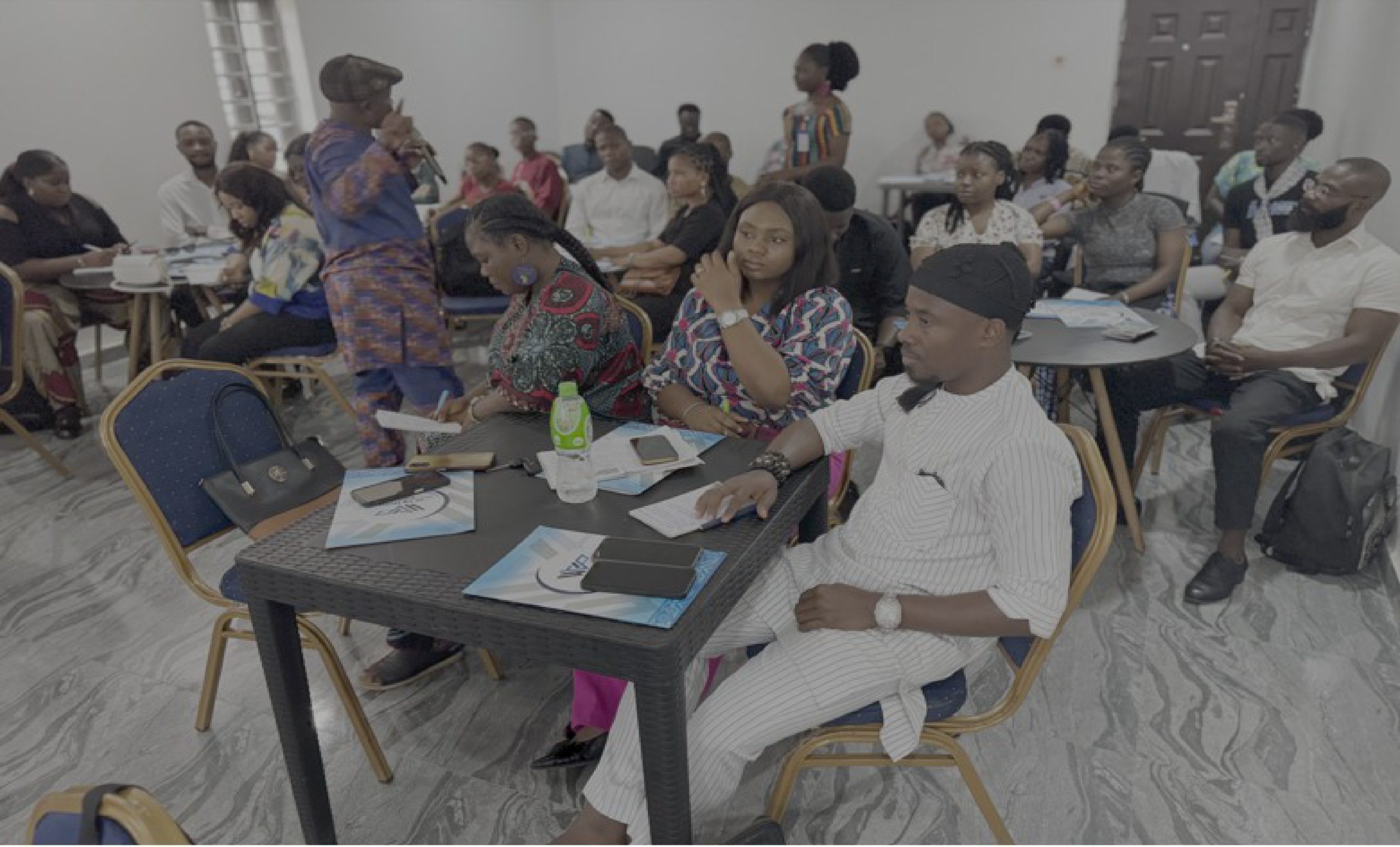
On 5th December 2025, We the People convened a workshop in Calabar aimed at initiating the process of developing a youth policy blueprint for Cross River State. Like the rest of Nigeria, Cross River State is home to a very youthful population. Despite attempts by government to create opportunities for young people, much of the youth demography in the state still falls within the challenges confronted by their peers elsewhere in the country. Without intentional, well-designed frameworks, the latent potential of the youth demography can easily be missed, fostering widespread under-employment, social alienation, despair or even conflict. The workshop brought together young leaders, civil society actors, experts in development planning, and other stakeholders working on youth engagement and governance to address; to position youths beyond a demographic statistic to drivers of development.
The guest speaker, Dr. MacFarlane Ejah, spoke on the deliberate positioning of young people at a disadvantaged level within the political space, where they are conditioned to settle for crumbs rather than meaningful inclusion. He highlighted the alarming unemployment rate ravaging the state and the country at large, leaving many youths economically deprived and disempowered. Dr. Ejah emphasized that despite these challenges, young people—being the most populous, vibrant, and innovative demographic—have the capacity to contribute significantly to the state’s development if given the opportunity. He also discussed the Not Too Young to Run Bill as a landmark achievement in advancing youth inclusivity and participatory governance.
Ken Henshaw suggested that government has long avoided prioritizing young people because it fears the kind of disruption they can bring to a system that consistently sidelines them. He pointed to the #EndSARS movement as a clear example of the power, coordination, and influence that youths are capable of when they decide to act. Henshaw also noted that a wide generational and technological gap separates today’s young people from those in leadership, making it difficult for youth demands to receive the attention and seriousness they deserve. He added that the older generation enjoyed a far better educational system than the one young people face today, yet many of these leaders now deny youths the same opportunities. This, he argued, deepens frustration and limits the nation’s potential. While applauding the Not too Young to Run Bill, Ken encourages a more inclusive approach considering balanced gender representation.
Participants subsequently engaged in interactive breakout group sessions to examine gaps in existing youth-focused programs within the state and to develop practical recommendations. These discussions identified key components a comprehensive state youth policy should address, including vocational skills development, entrepreneurship support, civic participation, access to quality education, environmental consciousness, health and wellbeing systems, and social protection mechanisms
Following the workshop, We the People will rally youth stakeholders, civil society organizations, government representatives, and legislators to coordinate the development of a youth policy brief drawn from the recommendations made at this meeting. This process is geared toward achieving a unified, actionable document that strengthens youth inclusion, informs policy reform, and advances the broader objectives of empowering young people to influence governance and drive meaningful change.